
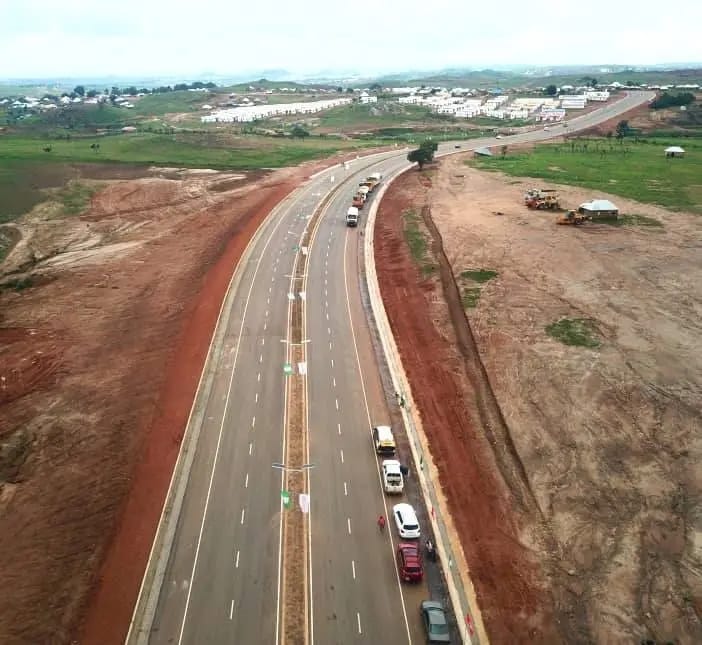
The transformation currently taking place across the Federal Capital Territory is a clear demonstration of what purposeful leadership can achieve. Under the leadership of the Minister of the FCT, Barrister Nyesom Wike, the territory has witnessed an unprecedented wave of infrastructure development, including the construction and rehabilitation of roads, bridges, schools, hospitals, water projects, public buildings, and other critical facilities aimed at improving the quality of life for residents.
While government has the constitutional responsibility to provide infrastructure and essential public services, citizens also have corresponding responsibilities. Development is most sustainable when government and the people work together as partners.


Infrastructure development comes at a significant cost. Roads require continuous maintenance, water systems need regular upgrades, waste management services must be funded, and public facilities require constant repairs. These responsibilities cannot be sustained by government alone without adequate revenue.
One of the most important civic responsibilities of every resident is the prompt payment of taxes, water bills, waste management charges, and other statutory levies. These payments are not merely financial obligations; they are investments in the continued growth and sustainability of the territory. Every naira paid contributes towards maintaining existing infrastructure and funding new projects that benefit everyone.
Equally important is the responsibility to protect public infrastructure. Acts of vandalism, illegal dumping of refuse, destruction of public utilities, theft of manhole covers, damage to streetlights, and abuse of public facilities undermine the huge investments made with public resources. Citizens must recognise that these facilities belong to all of us and should be treated as shared assets.
Residents also have a duty to obey planning regulations, keep their environment clean, report acts of vandalism, and actively participate in community efforts that promote environmental sanitation and responsible citizenship. A clean, orderly, and law-abiding city attracts investment, creates jobs, and enhances the quality of life for all.
The ongoing infrastructural renewal in the FCT presents an opportunity for residents to renew their own commitment to civic responsibility. Government’s investment in development should inspire greater compliance with tax obligations, utility payments, environmental regulations, and the protection of public assets.
The future of Abuja cannot be built by government alone. It requires a partnership between a responsive government and responsible citizens. As the FCT continues to grow into a modern, world-class capital, every resident has a role to play by paying taxes promptly, settling water and waste bills, protecting public infrastructure, and contributing positively to the development of the territory.
A prosperous and sustainable Federal Capital Territory is a shared responsibility. When government delivers on its promises and citizens fulfil their civic obligations, everyone benefits, and future generations inherit a capital city worthy of pride.
- Dr. Jumai Ahmadu is the Director, Reform Coordination and Service Improvement Department, (RC&SI), FCTA

