

The Islamic Development Bank (IsDB) Board of Executive Directors has approved a total of US$ 1.12 billion for projects financing in various sectors in nine member countries as well as US$ 1.79 million grant for a number of other projects including market access readiness in Yemen and special assistance grants to Muslim communities in 3 non-member countries.
The approvals were given during IsDB’s 347th session held Saturday at the Bank’s Headquarters in Jeddah, Kingdom of Saudi Arabia. The session was chaired by Dr. Muhammad Al Jasser, President of the IsDB and Chairman of IsDB Group.


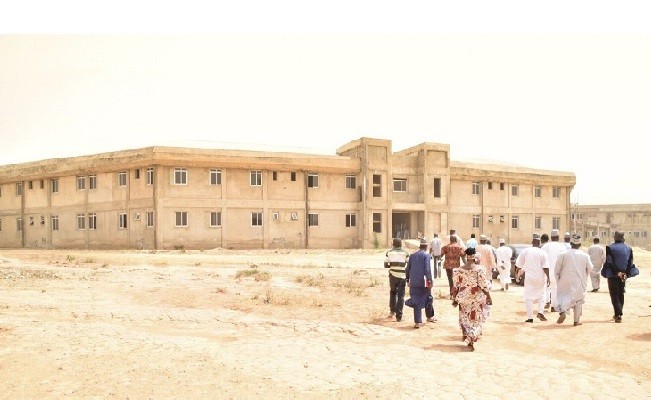
One of the projects approved was for the modification of the mode financing of the installment sale financing to Commodity Murabaha for the 300-bed hospital project in Kaduna State, Nigeria.
Commodity Murabahah is the purchase of certain specified commodities on a cost plus profit basis (Murabahah) agreed upon by both parties (buyer & seller) and subsequently, the commodity is sold to another commodity trader (third party) with the objective of obtaining cash.
Dateline Nigeria reports that Kaduna State Governor Nasir El-Rufai had in August this year informed that the Kaduna State Government signed an agreement with the United Arab Emirates based Doctors Clinic Company as part of the proactive steps to get the hospital ready for service delivery.
According to him, the UAE Company will run the hospital as an efficient and sustainable facility, which will operate based on global best practices, adding that it will have 26 departments, six theatres, Intensive Care Units and facilities for cardiology, oncology and nuclear medicine.
The governor said that his administration also signed another agreement with Elekta, for the purchase of equipment for nuclear medicine and oncology centre, which will enhance the treatment of cancer.
El-Rufai said that 60% of the personnel will be Nigerians and the expatriates will train local staff so that after some years, Nigerians will take over the running of the facility.
The Kaduna State Deputy Governor, Dr Hadiza Balarabe, a medical doctor, said the management will start with 100-bed spaces before increasing the capacity to 300, adding that it will operate free services at first, before fees will be charged.
She also said that only cases that defy teaching hospitals would be referred to it to avoid congestion, while a foundation will be set up that will take care of indigent patients, when the hospital starts charging fees.

