

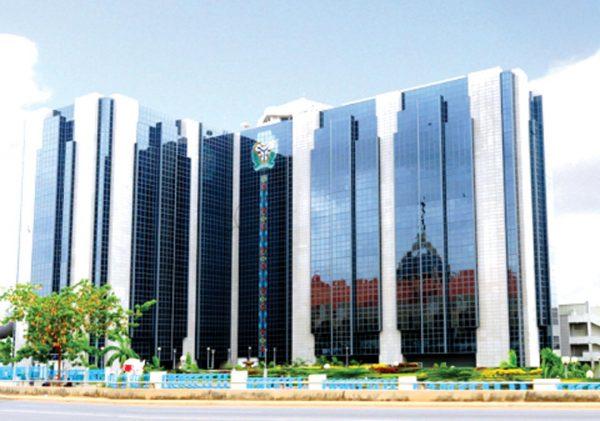
The Central Bank of Nigeria (CBN) under the leadership of Chief Godwin Emefiele has becomean activist and real interventionist institution that is consistently bringing in new and highlycreative initiatives aimed at supporting and boosting Nigeria’s economic growth.
The latest novel initiative in development financing by the apex Bank is its proposal, which hasmade an appreciable progress, to collaborate with other local and extranational financialinstitutions to raise a N15 trillion fund over a five-year period for the financing of infrastructure inthe country.


The CBN governor said, “The CBN will promote the establishment of an InfraCo Plc. It will be aworld-class infrastructure development vehicle, wholly focused on Nigeria, with combined debtand equity take-off capital of N15 trillion.”
The Federal Government has approved the initiative. He listed the key objectives of the InfraCo Plc fund, “This fund will be utilized to support theFederal Government in building the transport infrastructure required to move agricultureproducts to processors, raw materials to factories, and finished goods to markets, as envisagedat the CBN Going for Growth Roundtable in March 2020.”
The CBN initiative on infrastructure development is in line with the policy thrust of theadministration led by President Muhammadu Buhari to ensure that the country has adequate, evenly-spread, high grade infrastructure to support the growth of the Nigerian economy and theneed of the country’s 200 million-strong population.
Indeed, the administration has demonstrated the resolve to achieve that objective by floating thePresidential Infrastructure Development Fund with an initial cash of N600 billion through whichthe Second Niger Bridge, the reconstruction of the Lagos-Ibadan Expressway and the Abuja-Kaduna-Kano dual carriageway are funded.
The CBN governor should list the specific andlocations of the Infrastructure projects the N15 trillion will finance. This will fit the pattern ofensuring a balanced spread of the projects for even national development. Given the much-praised ongoing and completed infrastructure projects in the country, and thefunding required to create new railway lines, more power generation plants, additional sea andinland ports, the Infrastructure Company Plc has come at the time it is most needed to help thecountry minimize its infrastructure deficit.
It will also create hundreds of thousands of new jobsand preserve existing ones, thus furthering the much-applauded ambition of the MuhammaduBuhari-led Federal Government to create 100 million jobs and drastically reduce poverty in thecountry.
An important point which analysts believe will make the Infrastructure Company Plc a viableventure is that its financial resources would be managed by an Independent Infrastructure FundManager (IIFM). This will insulate it from undue influence by powerful figures who have
sabotaged laudable economic initiatives by squandering borrowed money on unearnedlifestyles, thereby causing the collapse of otherwise viable initiatives.
The proposal to create the InfraCo Plc with a N15 trillion fund came on the heels of otherinterventions by the CBN, which Emefiele said were aimed at strengthening the Nigerianeconomy. The interventions include the provision of “a combined stimulus package of aboutN3.5 trillion in targeted measures to households, businesses, manufacturers and healthcareproviders.
These measures are deliberately designed to both support the Federal Government’simmediate fight against COVID-19, but also to build a more resilient, more self-reliant Nigerianeconomy.”Other major historic interventions by the CBN are the Anchor Borrowers Schemes designed toenhance our self-sufficiency in the production of certain commodities.
The nearly one dozencommodities include Rice, Palm Oil, Cotton, Yam and Tomato. The effort has virtually endedofficially-supported importation of rice, in which Nigeria is now 97 percent self-sufficient. It can equally be recalled that the CBN has reduced interest rates on intervention facilities from9 percent to 5 percent and created a N50 billion credit facility for households and SMEs affectedby the covid-19 pandemic.
It has also strengthened the Loan-Deposit Ratio regime, which isexpected to encourage more lending to businesses by banks. The CBN of Godwin Emefiele era has provided N100 billion and N1 trillion to support theHealthcare industry and to manufacturers respectively. The outcomes of these interventionswere manifested in the domestic manufacture of essential health commodities used in facing theCovid-19 pandemic; and ensuring that our key factories continued to produce critical items forthe wellbeing of Nigerians.
Given its roles and interventions in the fashion of an activist, trigger and stimulator of theNigerian economy for sustainable growth, the CBN has earned a good reputation for itself andits current leadership. It should sustain those roles and the tempo of introducing new initiatives.
Dambatta is a public affairs commentator.

