
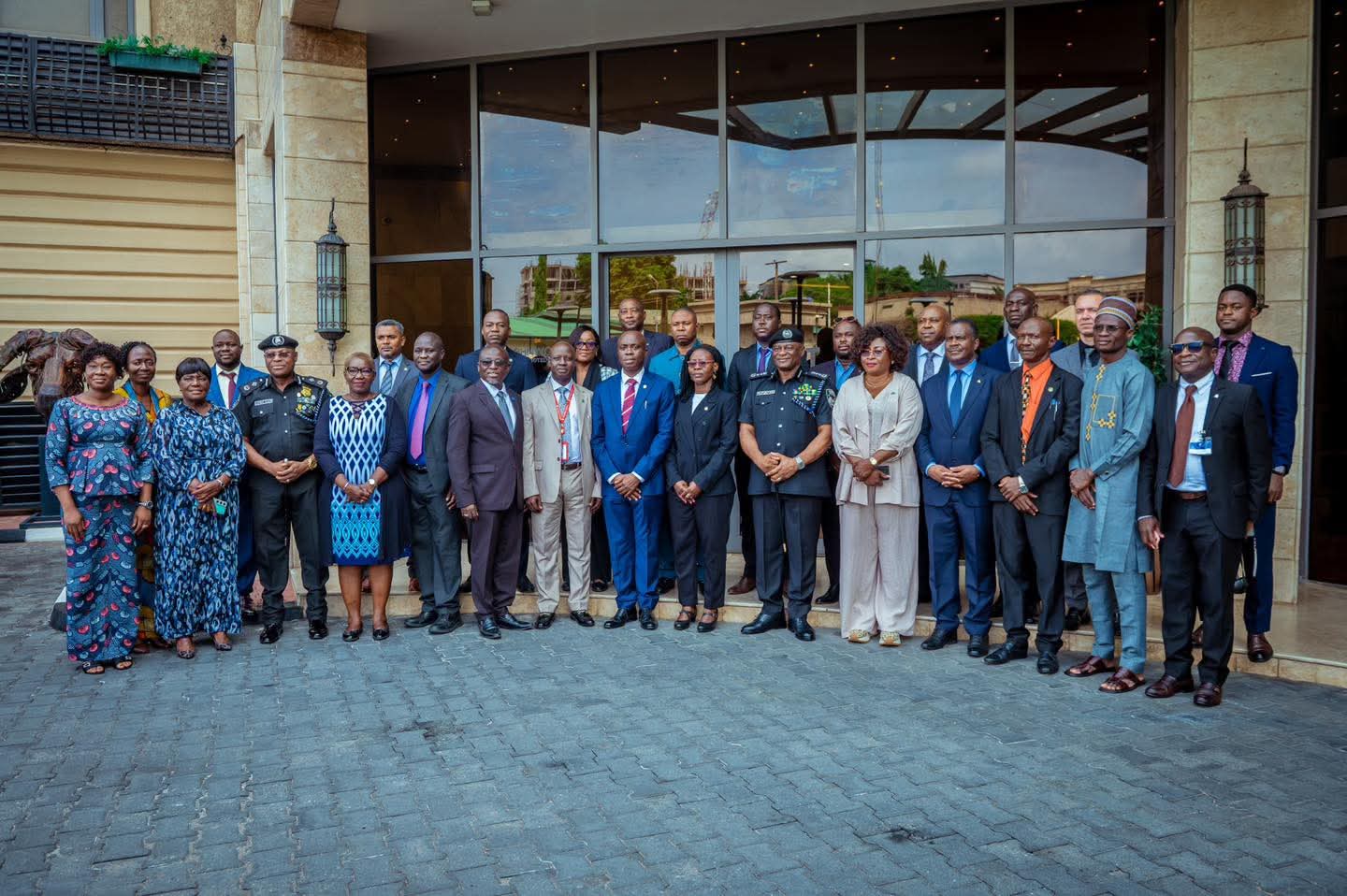
The Inspector-General of Police, IGP Olatunji Rilwan Disu, on Monday, June 8, 2026, presided over the 11th Meeting of Heads of INTERPOL National Central Bureaus, NCBs, for West Africa at the Johnwood Hotel, Abuja.
The meeting brought together NCB heads from 16 West African countries alongside senior representatives of the INTERPOL General Secretariat and regional security bodies to strengthen cooperation against cross-border crime.


In his address, IGP Disu outlined the scale of security threats confronting the sub-region, including human trafficking, arms smuggling, drug trafficking, cyber fraud, money laundering, terrorist financing, and violent extremism.
He stressed that criminal networks operate without regard for national borders and that the region’s success depends on “the speed and quality of partnerships forged across all sixteen member states,” not on isolated national efforts.
Speaking on Nigeria’s contributions, the IGP said the Nigeria Police Force is extending INTERPOL’s I-24/7 secure communications network to border control points and law enforcement institutions nationwide. The move, he explained, will ensure that officers at land crossings have real-time access to critical intelligence, the same as officers at headquarters.
He also reaffirmed Nigeria’s commitment to Project GEMINI, which focuses on the systematic uploading and verification of INTERPOL’s Stolen and Lost Travel Documents database. IGP Disu cited the West African Police Information System, WAPIS, as evidence of what regional data integration can achieve when pursued with purpose.
Looking ahead, the IGP committed Nigeria to three priorities:
1. Universal access to INTERPOL’s key databases across West African border architecture.
2. Faster coordination mechanisms that enable joint action within hours, not weeks.
3. Trust and transparency among NCBs to make meaningful information-sharing possible. “Without that trust, even the most sophisticated systems fall short,” he observed.
The leader of the INTERPOL delegation acknowledged Nigeria’s role as host and noted that the full attendance of all 16 NCB heads signified a shared commitment despite operational pressures.
He challenged participants to leave the meeting with measurable commitments and to shift policing from reacting to crime after the fact, to anticipating and disrupting it before harm occurs.
The 11th NCB Heads Meeting reaffirms Nigeria’s central role in West African security cooperation and reflects a Force leadership that views 21st-century policing as an inherently collective endeavour.

