
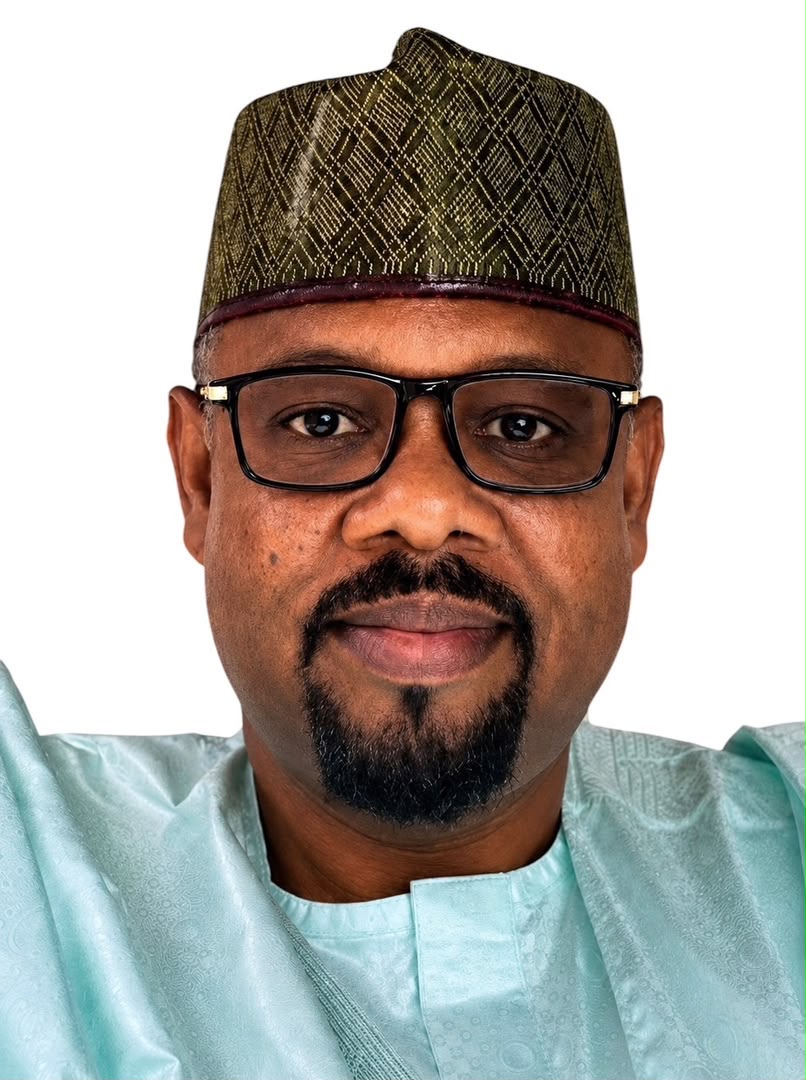
- Katsina Environment Commissioner Offers Support for Rehabilitation and International Conservation Partnerships
The Katsina State Commissioner for Environment, Professor Mohammed A. Al-Amin, has commended the Nigeria Customs Service, particularly the Kano/ Jigawa Area Command, for the interception of 48 endangered wildlife species and the arrest of three suspected traffickers along the Kano–Daura Road.
Professor Al-Amin described the development as “deeply disturbing, but equally gladdening,” noting that while the attempted trafficking of such a large and diverse collection of endangered wildlife represents a serious threat to biodiversity, the successful intervention of the Customs Service has potentially saved dozens of animals from an uncertain and possibly fatal fate.


The interception, which took place on 25 August 2026 at about 8:30 p.m., reportedly involved 15 primates, including chimpanzees, baby gorillas and bush babies; four caracals and a civet cat; 25 wild birds, including greater bustards and rock fowls; two albino crocodiles and a honey badger. Three male suspects were arrested and subsequently handed over to the Special Wildlife Office at the Nigeria Customs Service Headquarters for further investigation and prosecution under the Nigeria Customs Service Act 2023 and applicable CITES regulations.
Reacting to the development, Professor Al-Amin, a seasoned environmental professional and Professor of Energy and Environment, said the incident once again demonstrates the urgent need to treat wildlife trafficking as a major environmental and transnational crime.
“As an environmental professional, I find the circumstances surrounding this seizure deeply disturbing. The idea that such a diverse collection of endangered animals could be captured, assembled and transported for illegal commercial purposes is a serious assault on our natural heritage. But I am equally gladdened that these animals were intercepted alive and rescued. Their survival is, in itself, a significant conservation victory.”
According to him, wildlife should not be regarded merely as commodities for commercial exploitation, but as critical components of functioning ecosystems and as part of the natural heritage of present and future generations.
‘THE RESCUE MUST GO BEYOND THE SEIZURE’
Professor Al-Amin said his immediate concern following the seizure is the welfare and long-term survival of the rescued animals.
He therefore expressed his willingness, through the Katsina State Ministry of Environment and within the appropriate institutional framework, to support the Nigeria Customs Service and other competent authorities in ensuring that the animals receive appropriate veterinary attention, feeding, security and species-specific care.
“The seizure is only the beginning of the conservation process. What happens to these animals afterwards is equally important. They have gone through capture, confinement and transportation, and many may have suffered considerable physical and psychological stress. We must therefore ensure that they receive appropriate veterinary assessment and rehabilitation before any decision is taken on their future.”
Professor Al-Amin further stated that, where scientifically appropriate and permitted by the relevant authorities, his office would be willing to support efforts towards the eventual rehabilitation and release of the animals into suitable natural habitats.
He stressed, however, that such release must be guided by professional wildlifemanagement protocols, including assessment of the animals’ health, species requirements, geographical origin, habitat suitability and potential ecological risks.
AL-AMIN TO MOBILISE LOCAL AND INTERNATIONAL CONTACTS
The Commissioner also declared his readiness to utilise his extensive professional networks and relationships within Nigeria and internationally to support the fight against wildlife trafficking.
“This is a matter that goes beyond the boundaries of one state or one institution. I am prepared to use my professional contacts locally and internationally to help bring the relevant expertise, conservation institutions, wildlife specialists and development partners together where their intervention can add value.”
He said Katsina’s proximity to important northern transportation corridors makes it necessary for environmental authorities and law-enforcement agencies to remain particularly vigilant and strengthen intelligence sharing and coordinated action against wildlife trafficking networks.
Professor Al-Amin called for stronger collaboration between the Nigeria Customs Service, the Federal Ministry of Environment, National Parks authorities, relevant security and law-enforcement agencies, state environmental authorities, conservation organisations, research institutions and international partners.
CALL TO CITES: ‘LET US JOIN HANDS TO PROTECT THE WORLD’S WILDLIFE’
Professor Al-Amin specifically called on the Convention on International Trade in Endangered Species of Wild Fauna and Flora (CITES) to deepen its engagement with Nigeria and support efforts to combat the trafficking of endangered wildlife.
“I would like to use this opportunity to call on CITES and its partners to join hands with Nigeria, and with states such as Katsina that are located within environmentally vulnerable regions and important movement corridors. The animals rescued in this operation are not merely Nigerian assets. They are part of the world’s natural heritage.”
He emphasised that the international character of wildlife trafficking requires an equally international response, particularly in intelligence gathering, border control, forensic identification, prosecution, wildlife rehabilitation and the dismantling of trafficking networks.
PROTECTING A FRAGILE SAHELIAN ENVIRONMENT
Professor Al-Amin also drew attention to the broader ecological context in which Katsina State finds itself.
He noted that Katsina lies within Nigeria’s fragile Sahelian and semi-arid ecological zone, where pressure on natural resources is intensified by climate variability, land degradation, desertification, population growth and increasing demand for land and natural resources.
“In a fragile Sahelian environment, the disappearance of one species may appear insignificant to the ordinary observer, but the cumulative loss of biodiversity can have profound consequences for ecological resilience. Our wildlife, vegetation, soils and water resources are interconnected. Protecting one component strengthens the entire ecosystem.”
He said this understanding is central to the environmental direction being pursued under the administration of His Excellency, Governor Dikko Umaru Radda, whose government has continued to place increasing emphasis on climate action, environmental restoration, tree planting, urban greenery, land restoration and the protection of vulnerable natural resources.
Professor Al-Amin noted that the Governor’s environmental interventions reflect an understanding that the future prosperity of Katsina depends not only on economic development but also on the ability of the State to protect and restore the ecological systems that sustain agriculture, water resources, livelihoods and human settlements.
‘WE MUST MAKE WILDLIFE TRAFFICKING A HIGH-RISK CRIME’
The Commissioner urged Nigerians to reject the culture of treating endangered animals as luxury commodities, pets or sources of profit and called on communities to assist law-enforcement agencies by providing information on suspicious wildlife capture, possession, transportation or trading.
He equally commended the Customs officers involved in the operation for their professionalism and integrity, particularly reports that the suspects allegedly attempted to offer bribes which the officers rejected.
“The courage of the Customs personnel in rejecting inducements and proceeding with the seizure deserves commendation. Environmental laws are only as effective as the institutions and individuals prepared to enforce them.”
Professor Al-Amin said the successful interception should serve both as a warning to wildlife traffickers and as encouragement to conservationists and environmental authorities that determined enforcement can make a difference.
He concluded:
“We should celebrate the fact that these animals have been saved, but we must not lose sight of the disturbing circumstances that brought them into captivity in the first place. Our objective must be to make wildlife trafficking increasingly difficult, increasingly risky and ultimately unprofitable.”
Professor Al-Amin reiterated his readiness to support the Nigeria Customs Service, relevant Federal agencies, CITES and conservation partners in ensuring that the rescued animals are properly cared for and, where appropriate, rehabilitated and returned to the wild.
Signed
Professor Mohammed A. Al-Amin
Commissioner for Environment Katsina State

