
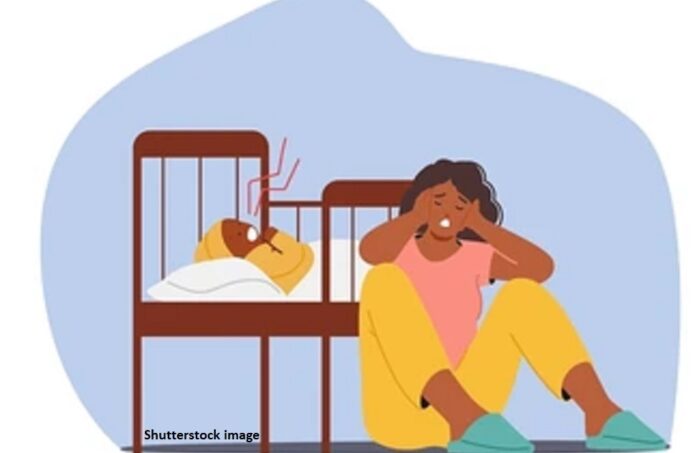
When Chioma Ezeakonobi, a mental health advocate and author, welcomed her second child, what should have been a joyful season gradually dissolved into anxiety, exhaustion and persistent sadness.
However, rather than surrendering to the silence that often surrounds maternal mental health struggles, she confronted postpartum depression and found a path to recovery.

Ezeakonobi said her experience began unexpectedly after childbirth, marked by tearfulness, fatigue, anxiety and emotional withdrawal.
She said the feelings confused her because motherhood is often portrayed as a time of unbroken happiness.
According to her, postpartum depression remains widely underdiagnosed and misunderstood across cultures, largely because societal expectations discourage women from speaking honestly about emotional pain after delivery.
“The cycle of silence leaves women to suffer alone,” she said, urging mothers to speak openly so they can access professional care, family support and reassurance during recovery.
Indeed, global health authorities affirm that postpartum depression is neither rare nor a personal failing.
The World Health Organisation describes it as a common but treatable mental health condition that can affect women after childbirth and, if left unaddressed, may impair maternal wellbeing and child development.
Available estimates indicate that about one in seven new mothers may experience postpartum depression, with symptoms including prolonged sadness, frequent crying, guilt, anxiety, sleep disturbances and difficulty bonding with the baby.
In Nigeria, studies suggest prevalence rates ranging between 10 per cent and 36.5 per cent, underscoring the need for routine screening, early intervention and accessible maternal mental health services within primary healthcare systems.
Furthermore, mental health professionals warn that depression is not limited to mothers alone but is increasingly affecting Nigerians across age groups and professions, often progressing silently until productivity, relationships and emotional stability begin to decline.
Dr Michael Nubi of the Association of Resident Doctors at the Federal Neuro-Psychiatric Hospital, Yaba described depression as “a silent killer” that thrives when emotional distress is ignored.
He identified common triggers to include chronic stress, financial hardship, sleep deprivation, childhood trauma, job loss, divorce and persistent negative thinking.
According to him, depression often deepens in environments shaped by intense societal pressure and unrealistic expectations, thereby making emotional self-regulation and supportive relationships essential protective factors.
Similarly, mental health advocate and media entrepreneur Chude Jideonwo has shared his personal struggles publicly, adding momentum to conversations that challenge stigma and encourage help-seeking behaviour.
Mental health organisations are also intensifying awareness.
The Cope and Live Mental Health Awareness Foundation notes that depression, anxiety and substance misuse frequently lead to social isolation, which in turn worsens emotional distress.
Rev. Chukwudiebube Nwachukwu, Executive Director of the foundation, explained that fear of judgment, trauma, illness and rejection often push affected individuals away from social interaction, deepening loneliness and eroding self-esteem over time.
He advised gradual reconnection through volunteerism, hobbies, faith-based engagement, outdoor activities and professional counselling as practical steps toward rebuilding confidence.
Dr Salawu Abiola, also of the Federal Neuro-Psychiatric Hospital, Yaba, emphasised that Nigeria still faces gaps in mental health data, calling for stronger collaboration between government and private institutions to generate evidence for policy and service delivery.
He warned that depression is rising among young people as well, fuelled by social media pressures, economic uncertainty, environmental stressors and relationship challenges.
According to him, digital platforms often promote unrealistic images of success and perfection, encouraging unhealthy comparisons that can trigger anxiety and depressive symptoms.
At the community level, Mrs Abimbola Agbebiyi, Founder of the Tabitha-Abimbola Foundation, said widows and single mothers face heightened vulnerability due to compounded grief, financial strain and caregiving responsibilities.
She noted that targeted therapy sessions and support networks help such women feel seen, valued and emotionally supported during isolating periods.
Clinical psychologist Marcellinus Aguwa urged early help-seeking, stressing that stigma and cultural attitudes continue to discourage many Nigerians from accessing timely mental healthcare.
Experts agree that recovery is strongly linked to awareness, family support and access to professional care; factors that shaped Ezeakonobi’s survival story.
Reflecting on her journey, she said knowledge of the condition helped her regain control, while the support of her husband and family played a critical role in her healing.
Her experience later inspired her to write ‘Navigating Postpartum Depression’, a book that documents her story and amplifies the voices of other mothers who endured similar struggles.
Ultimately, across clinical insights and lived experiences, stakeholders say one message stands clear.
They emphasise that breaking the silence around postpartum depression can transform suffering into survival, restore dignity to motherhood and strengthen families and communities alike.(NANFeatures)

