
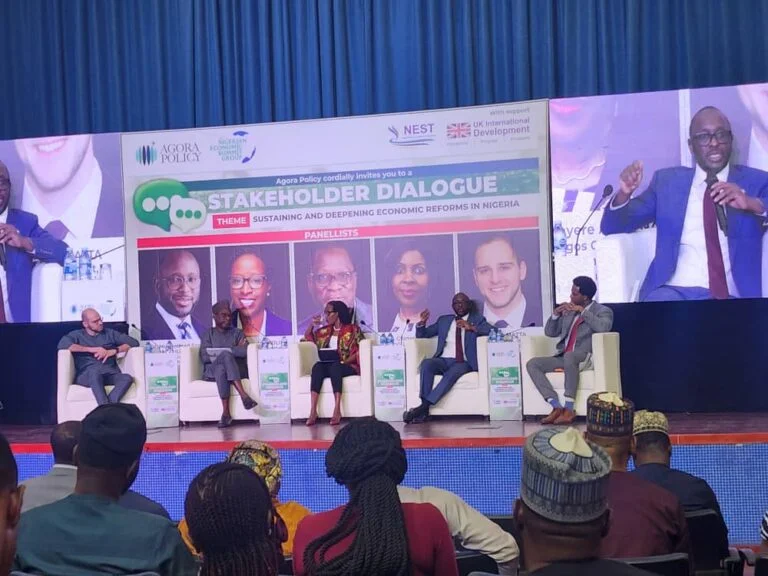
The Federal Government says the country’s ongoing economic reforms has helped avert a looming macroeconomic crisis and has begun restoring investor confidence in the country.
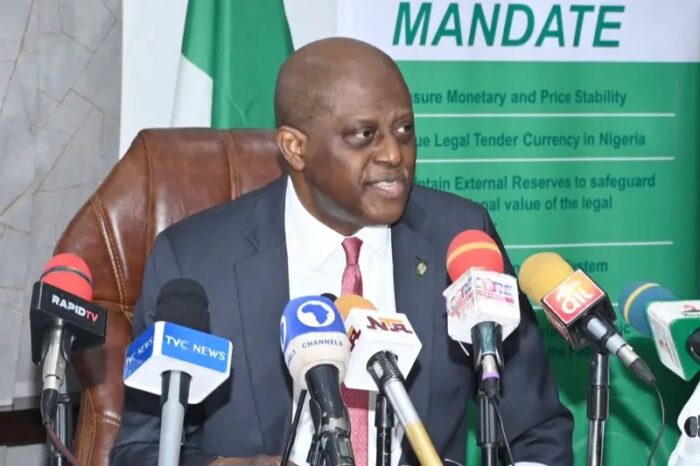
Dr Muhammad Abdullahi, Deputy Governor, Economic Policy, Central Bank of Nigeria (CBN), said this while speaking at Agora Policy stakeholders’ dialogue on Nigeria’s economic reforms, in Abuja on Thursday.
The event has the theme “Sustaining and Deepening Economic Reforms in Nigeria”.
Abdulhahi said that the country had faced severe macroeconomic imbalances before the reforms were initiated.
He said this was with distortions in the foreign exchange market and unsustainable subsidies putting immense pressure on public finances.
He noted that the country operated multiple exchange rates that allowed privileged individuals to access foreign exchange at subsidised rates, sometimes between N400 and N450 to the dollar, and resell it for profit.
“This distortion alone cost the country about three per cent of its Gross Domestic Product (GDP) and discouraged foreign investment,” he said.
Abdullahi added that the situation also encouraged rent-seeking behaviour, with some businesses focusing on arbitrage opportunities rather than productive investments.
He said that alongside the foreign exchange distortions, the country was spending heavily on petroleum subsidies, which together consumed about six per cent of the nation’s GDP.
“These subsidies were simply not sustainable and had brought the economy to the brink,” Abdullahi added.
The deputy governor also said that the situation worsened as foreign portfolio investments declined and the country accumulated a backlog of about seven billion dollars in unmet foreign exchange obligations.
According to him, the backlog eroded investors’ confidence because businesses had paid funds to the central bank, but were unable to access foreign exchange for more than a year in some cases.
“When we assumed office in October 2023, we met a backlog of seven billion dollars, this severely damaged the credibility of the economy,” he said.
He said that the bank immediately initiated a review of the claims and engaged a global auditing firm to verify the obligations.
He explained that after the audit, about 4.5 billion dollars of the claims were validated and paid, while 2.5 billion dollars were deemed illegitimate due to procedural irregularities.
According to him, clearing the legitimate backlog was critical to restoring credibility in Nigeria’s financial system.
Abdulhahi further said that the central bank worked closely with fiscal authorities to address structural challenges in the economy, including declining oil sector revenues and weak foreign direct investment.
He said that the country earned about 92 billion dollars from oil exports in 2012 but generated less than two billion dollars in 2023 due to declining production and other structural issues.
“This shows the magnitude of the challenges we faced when we began the reform process,” he said.
According to him, the reforms required allowing the naira to adjust to market realities in order to attract foreign exchange inflows and stabilise the economy.
He revealed that the country’s net external reserves were about 800 million dollars when the new administration assumed office, in spite of gross reserves appearing much higher due to swap obligations and other liabilities.
“Today, net reserves have risen significantly, with total reserves standing at about 32 billion dollars,” he said.
The deputy governor said the reforms had started yielding results as inflation had declined steadily over the past 19 months, while food inflation had dropped to its lowest level in more than a decade.
Abdullahi said that the government’s goal was to achieve single-digit inflation, which would help improve the purchasing power of households.
He also said non-oil exports had rebounded strongly, with Nigeria earning about six billion dollars in 2025 and targeting 12 billion dollars in the near term.
He also said that business activity was also improving, as the purchasing managers’ index was showing the strongest expansion in about 10 years.
He added that though the reforms were painful, they were however necessary to stabilise the economy.
“We did not really have the luxury of choice at that time, the economy was at a breaking point, and decisive action was required,” the deputy governor said.
Abdullahi also revealed that some challenges remained, particularly in addressing social impacts as the country had moved away from the severe economic imbalances of the past.
“We are not yet where we want to be, but the economy has turned the corner and is now on a stronger footing,” he said.
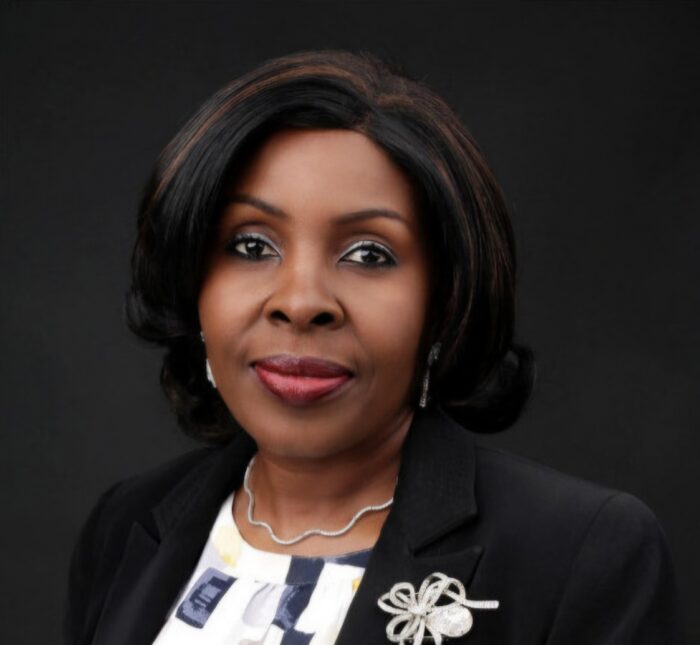
The Special Assistant (SA) to the President on Finance and the Economy, Mrs Sanyade Okoli, said that the Bola Tinubu led administration designed and created a stable macroeconomic environment.
Okoli said that the administration came into office with a “Renewed Hope Agenda” aimed at improving the welfare of Nigerians through inclusive economic growth.
She also said that attracting investment was critical to achieving inclusive growth, as the government alone could not provide the resources required to drive large-scale economic expansion.
According to her, creating an attractive macroeconomic environment was therefore essential to draw both domestic and foreign investments.
“Economic reforms required coordination between fiscal and monetary authorities.
“This administration remains focused on restoring fiscal stability while laying the foundation for inclusive and sustainable economic growth.
“Our goal is to ensure inclusive and sustainable growth that ultimately makes the lives of Nigerians better.”
Earlier, the Board Chair of Agora Policy, Ojobo Atuluku, said that the stakeholders’ dialogue would deliberate on how to sustain, deepen, and improve current economic reforms, and lay a stronger foundation for the future.
Atuluku said that serious reforms were ongoing across the economic sector and invariably change was constant.
“Economic policy must never be a one-off event, it should be a constant conversation between those who design reforms, those who implement them, and those who are impacted by them.
“We must regularly touch base to ask:
How is it going? Where can we improve or be better? What do we need to do more of, or less of,” she said.
“At Agora Policy, our primary objective is to provide a dedicated space for the interrogation of policy issues and to bring clarity to policy directions.
“Our work under this current programme is broken into three critical pillars: Research, Convening and Actionable Policy,” she said.
She revealed that the event was organised through a grant from the Nigeria Economic Stability and Transformation (NEST) programme, an initiative designed to support economic growth and transformation in the nation with the support of FCDO.
Stakeholders commended the government for making policies which are working and reiterated their commitment to the country’s progress. (NAN)

