
Over the past few days, public discourse has intensified following reports of a letter from the Katsina State Government requesting the release of 70 suspected bandits. While such actions are understandably controversial, prisoner or swap deals between governments and non-state actors are not new. Globally, they have often been deployed as part of diplomatic engagements, ceasefire arrangements, or peace accords aimed at de-escalating violence and saving lives.
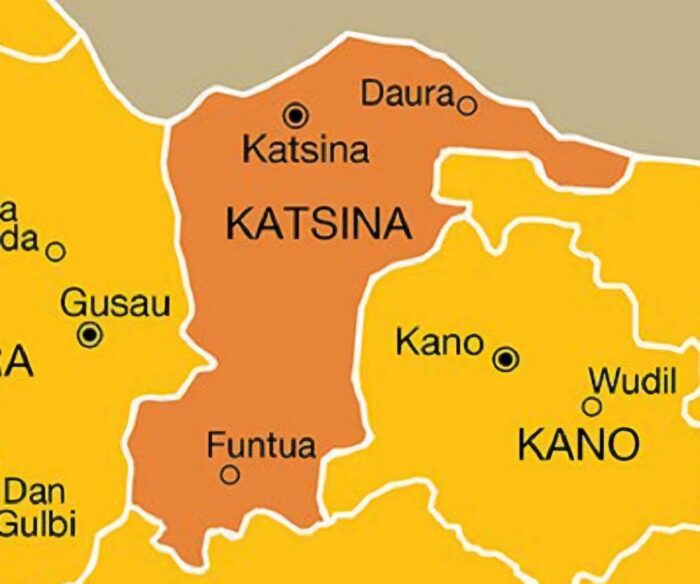
In the case of Katsina State, the development is a direct outcome of a recent peace accord between affected communities and armed groups operating within the state. Early indications show that the agreement is yielding positive results, with relative calm and normalcy gradually returning to previously no-go areas.


Importantly, this approach is neither unique to Katsina nor unprecedented in Nigeria. In 2017, the Federal Government of Nigeria secured the release of 82 Chibok schoolgirls through a negotiated swap deal with Boko Haram, involving the release of detained insurgents. That agreement was even facilitated by the Government of Switzerland and the International Committee of the Red Cross (ICRC).
Globally, similar precedents abound. In 2011, Israel secured the release of soldier Gilad Shalit, who had been held captive by Hamas for over five years, in exchange for 1,027 Palestinian prisoners. The negotiations were mediated by Germany and Egypt. In 2014, during the U.S.–Afghanistan conflict, five senior Taliban detainees were released from Guantanamo Bay in exchange for one U.S. Army Sergeant, Bowe Bergdahl, who had been in captivity since 2009. Likewise, in 2016, diplomatic negotiations between the United States and Iran led to a prisoner exchange involving seven Iranians and four Iranian-American detainees.
In early 2015, Jordan also weighed the possibility of exchanging Sajida al-Rishawi, a death-row terrorist, for a captured Jordanian pilot held by ISIS, another example of governments confronting difficult moral and security trade-offs to save lives.
Earlier precedents include the 1985 Jibril Agreement, under which Israel released 1,150 security prisoners in exchange for three Israeli soldiers captured during the 1982 Lebanon War. This remains one of several controversial prisoner exchanges conducted during that era.
These examples underscore a clear reality that swap deals between states and non-state actors, or even between states, have been used worldwide as tools of diplomacy, conflict de-escalation, and humanitarian intervention. While such arrangements often attract public criticism, particularly over the ethical implications of releasing individuals accused or convicted of serious crimes, governments frequently view them as necessary measures to save lives and reunite families.
In Katsina State, the government’s action has secured the release of over 1,000 kidnapped victims across Safana, Kurfi, Faskari, Sabuwa, Danmusa, Malumfashi, Musawa, Matazu, Jibia, Bakori, and Dutsin-Ma Local Government Areas. These individuals have since been reunited with their families, marking a significant humanitarian outcome.
While distant observers may focus largely on the ethical and moral debate, families of the rescued victims and the affected communities understandably prioritize safety, survival, and peace. Both the peace accord and the accompanying swap arrangements emerged from an urgent and compelling need to halt violence, restore stability, and protect innocent lives.
Ultimately, the communities most affected by insecurity are best positioned to assess whether these actions serve their interests or otherwise. In Katsina, these communities are not only supportive of the peace and swap deals, they are actively driving them. While concerns from external commentators deserve acknowledgment, the fundamental responsibility of any government remains the protection and welfare of its citizens, using all lawful and pragmatic means available.
- MS Ingawa is a SSA Media & Strategy to the Katsina State Governor

