
Commendation acts as a powerful motivator by making individuals feel valued, recognized and appreciated for their specific contributions. When people receive sincere praise, it reinforces positive behaviors, boosts their confidence, and provides the emotional and intelligent “fuel” needed to sustain and even increase their effort over time.
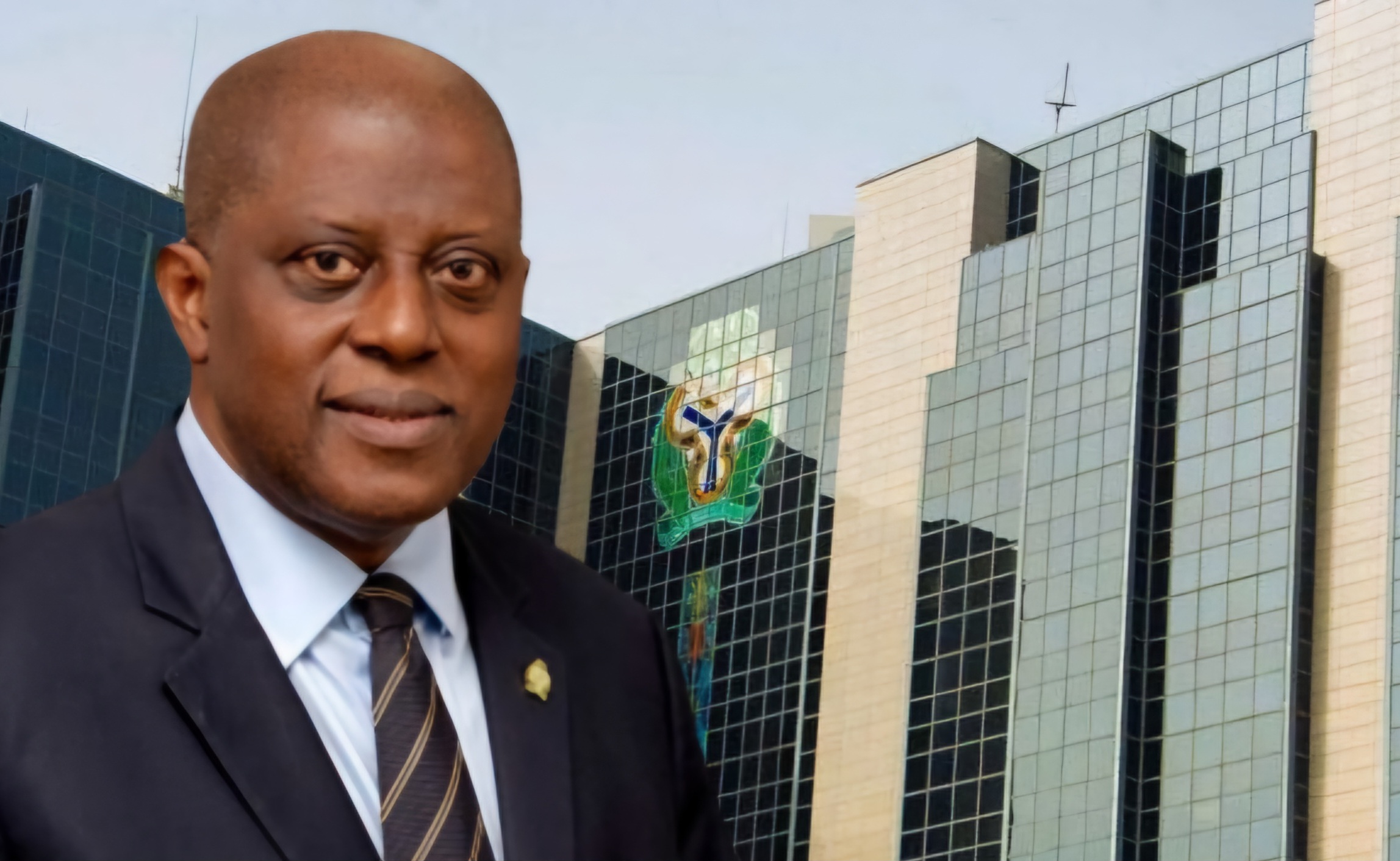
It is in this light that President Bola Tinubu’s recent public commendation of Central Bank of Nigeria (CBN) Governor Yemi Cardoso should be seen. Speaking recently at the inauguration of the Gateway International Airport in Ogun State, President Tinubu, in a strong vote of confidence, commended Mr. Cardoso for driving reforms aimed at restoring stability and positioning Nigeria’s economy for long-term growth.


“I must single out one man here, Olayemi Cardoso. Thank you for all you are doing for the country. We have come a long way, and I do not disagree with his macroeconomic policies, they are delivering progress for our economy. Thank you, Yemi,” the president said at the public event.
Indeed, what the president did is more than political courtesy. In Nigeria’s fractious economic environment, where monetary policy often operates under intense scrutiny and political pressure, presidential backing can serve as both shield and signal. For Cardoso, who inherited a CBN grappling with inflation, currency volatility, and credibility deficits, Tinubu’s endorsement provides critical political capital to continue to pursue difficult but necessary reforms.
The CBN governor’s job has historically been precarious. Since 1999, several governors have faced abrupt exits when monetary decisions clashed with executive priorities. Cardoso’s early tenure has been marked by orthodox measures: aggressive interest rate hikes, unification of exchange rate windows, and a crackdown on forex speculation. These steps have stabilized the naira to an extent and signaled a return to rule-based policy. But they have also come with short-term pain — higher borrowing costs, tighter liquidity, and public frustration. Without clear political backing, such policies risk being reversed or diluted.
Tinubu’s commendation therefore changes that calculus. First, it affirms policy alignment between the Presidency and the CBN. The administration’s “Renewed Hope” agenda depends on macroeconomic stability to attract investment and tame inflation. By publicly supporting Cardoso, Tinubu signals to markets, investors, and the bureaucracy that the CBN’s current direction has presidential approval. That alignment reduces uncertainty and helps anchor expectations. Foreign portfolio investors, in particular, watch for signs of policy consistency before committing capital. A unified front between the Presidency and the CBN makes Nigeria a more predictable destination.
Second, the commendation insulates Cardoso from institutional pushback. The CBN’s independence is often tested by vested interests who benefit from multiple exchange rates or opaque forex allocations. Cardoso’s clean-up of the forex market and efforts to improve transparency have disrupted those rent-seeking networks. Political protection from the President gives him cover to resist interference and continue enforcing compliance. It also empowers him to hold commercial banks and other financial institutions to stricter standards without fear of reprisal.
Third, Tinubu’s words boost internal morale within the CBN. The bank has undergone significant restructuring since Cardoso took over, with a focus on professionalism and accountability. Presidential recognition validates the efforts of CBN staff who have had to implement unpopular but stabilizing measures. That morale boost is crucial for sustaining reform momentum over the medium term.
Beyond optics, the commendation sets the stage for deeper coordination. Fiscal and monetary policy must work in tandem if inflation is to be brought under control. Tinubu’s endorsement suggests he is willing to align fiscal discipline with the CBN’s tightening stance, rather than resorting to deficit-driven spending that could undermine monetary gains. This coordination is vital as the government seeks to finance infrastructure and social programs without reigniting inflationary pressure.
Of course, commendation alone is not a policy tool. Cardoso will still face the test of delivering tangible results: bringing inflation down from double digits, ensuring forex liquidity for productive sectors, and restoring public confidence in the banking system. But Tinubu’s support buys him time and space to do so without political distraction.
There is also a broader signal to the Nigerian public. By backing a technocrat like Cardoso, Tinubu is reinforcing the idea that economic management should be driven by competence rather than patronage. That message matters in a country where trust in institutions has eroded.
The risk remains that over-reliance on presidential support could blur the line between CBN independence and executive influence. Cardoso must balance the political backing with strict adherence to the CBN Act and transparent communication. The goal should be institutional credibility, not just political goodwill.
In the end, Tinubu’s commendation gives Cardoso something every central banker values: political room to operate. In a volatile economy, that room can be the difference between a reform that sticks and one that stalls. If Cardoso continue his quest to deepen transparency, strengthen the naira, and restore the CBN’s reputation as an independent institution, the commendation will do more than encourage — it will also empower.
- Nasir writes from Abuja

