
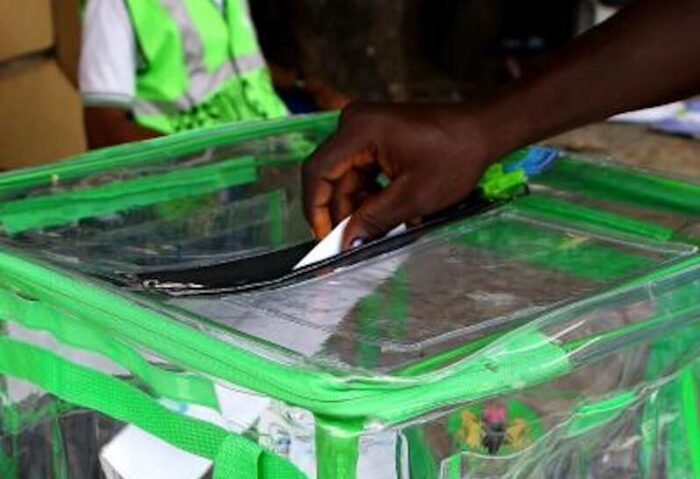
Nigeria is heading into another election cycle. The process has already begun with party primaries that will produce candidates for the next four years of leadership.
Let’s be honest about what this system produces. It does not reward competence. It does not select the most capable. It filters for two things: loyalty to entrenched power blocs and the financial capacity to fund one of the most expensive political contests on the African continent.


That reality shuts the door on many of the well-meaning people who should be leading. The cost of entry is too high. The compromises required are too deep.
If progress is the goal, then the current political structure in Nigeria must change.
Start with accountability. Not the symbolic kind, real consequences.
The constitution should mandate resignation in clear cases of preventable failure. Mass loss of lives due to negligence. Large-scale abductions under avoidable conditions: proven mismanagement or diversion of public funds.
Resignation should not be a soft landing. It should trigger a lifetime ban from holding public office. No recycling. No quiet return through another route. That single mechanism changes incentives immediately. It raises the cost of failure. It reduces the value of blind loyalty. It forces decision makers to act with caution where it matters most.
Next is civic enforcement. Citizens cannot remain passive observers. Teach constitutional rights early, in schools. Reinforce them in markets, unions, and local associations.
Build awareness within security agencies, not just command structures. Normalise questioning authority with facts, not emotion.
Then deal with the judiciary. Without a credible enforcement arm, every reform collapses. Judicial processes must be transparent.
Appointments must be insulated from political capture.
Judgments must carry real weight and be enforced without exception. If court orders can be ignored by the powerful, then the constitution becomes advisory rather than binding.
The real constraint is not the absence of ideas. It is the absence of political will at the top and organised pressure from below.
You are asking who will lead this shift. It will not start with those who benefit from the current system. Reform threatens their position.
It starts when enough citizens move from complaint to coordinated pressure, when political cost becomes real. When ignoring the public carries consequences at the ballot box and beyond.
Until then, the cycle will hold. By 2031, the same grievances will return, louder, heavier, and more costly. Not because change is impossible, but because we have not imposed a real price on failure.
We are all still in trouble.

