

The Central Bank of Nigeria (CBN) Monetary Policy Committee (MPC) recently announced a 50-basis point cut in the Monetary Policy Rate (MPR) from 27% to 26.50% during its first meeting of 2026. This decision has been met with broad approval from key economic players, who describe it as a prudent, cautious, and growth-supportive move, signaling a shift from aggressive monetary tightening towards a phase of stabilization.
Prof. Uche Uwaleke, President of the Capital Market Academics of Nigeria (CMAN), highlighted the cut as a “prudent, cautious, and credibility-building move” consistent with a central bank aiming to consolidate macroeconomic stability. He noted that inflation has been falling for eleven consecutive months (now at 15.10%), with stable exchange rates and improving capital inflows, demonstrating the effectiveness of prior tightening.

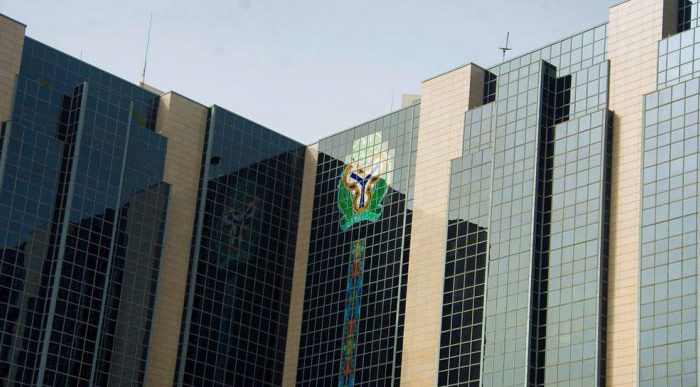

Uwaleke cautioned against rapid easing, citing historically fragile inflation expectations, and emphasized that the 50 basis points cut supports growth, preserves exchange rate stability, and anchors inflation expectations. He suggested further gradual cuts might be possible if disinflation continues and external conditions remain stable, but ruled out aggressive easing unless inflation drops much faster or growth significantly weakens.
Mr. Adewale-Smatt Oyerinde, Director-General of the Nigeria Employers’ Consultative Association (NECA), praised the decision as a “cautious but noteworthy signal” that authorities are addressing sustained pressures on businesses.

While acknowledging that the marginal reduction might not immediately lower lending rates, he believes it reflects a gradual shift towards supporting growth without undermining price stability. Oyerinde stressed that the overall monetary stance remains tight, with the Cash Reserve Ratio (CRR) and liquidity ratio retained at 45% and 30%, respectively.
He called for coordinated fiscal and structural reforms to address supply-side constraints, improve infrastructure, and enhance productivity, urging financial institutions to gradually reflect the MPR reduction in lending conditions for manufacturers and SMEs.
Dr. Chinyere Almona, Director-General of the Lagos Chamber of Commerce and Industry (LCCI), lauded the decision as a “significant shift from aggressive monetary tightening to stabilisation.” She noted that the country’s stabilization phase is anchored on disinflation, exchange rate convergence, and improving supply-side conditions, calling the development a cautious, positive step.

Almona sees the rate cut as a critical confidence signal to the Organised Private Sector (OPS), establishing a pathway toward a gradual reduction in the cost of capital.
She, however, emphasized the need for businesses to see tangible relief in financing costs and called for improved policy predictability, strengthened real return expectations, and support for medium-term investment planning, particularly in manufacturing and agro-processing.
Dr Muda Yusuf, Chief Executive Officer of the Centre for the Promotion of Private Enterprise (CPPE), in a policy brief, described the rate cut as “growth-supportive.” The CPPE noted that sustained disinflation, stronger external reserves, an improved trade balance, and relative exchange-rate stability created room for monetary easing.

While acknowledging the potential for boosting investor confidence and private-sector growth, the CPPE cautioned that weak monetary transmission might limit its impact on lending rates due to high cash reserve requirements, elevated lending rates, government borrowing, and structural banking costs. Dr. Yusuf stressed the importance of effective policy coordination and stronger transmission mechanisms to unlock investment and sustain growth, alongside credible fiscal consolidation to safeguard stability.
In essence, experts concur that the CBN’s decision is a well-judged move, balancing the need to control inflation with the imperative to stimulate economic growth. While it marks a positive shift, the full benefits are contingent on continued disinflation, exchange rate stability, and crucial supportive fiscal and structural reforms.

