
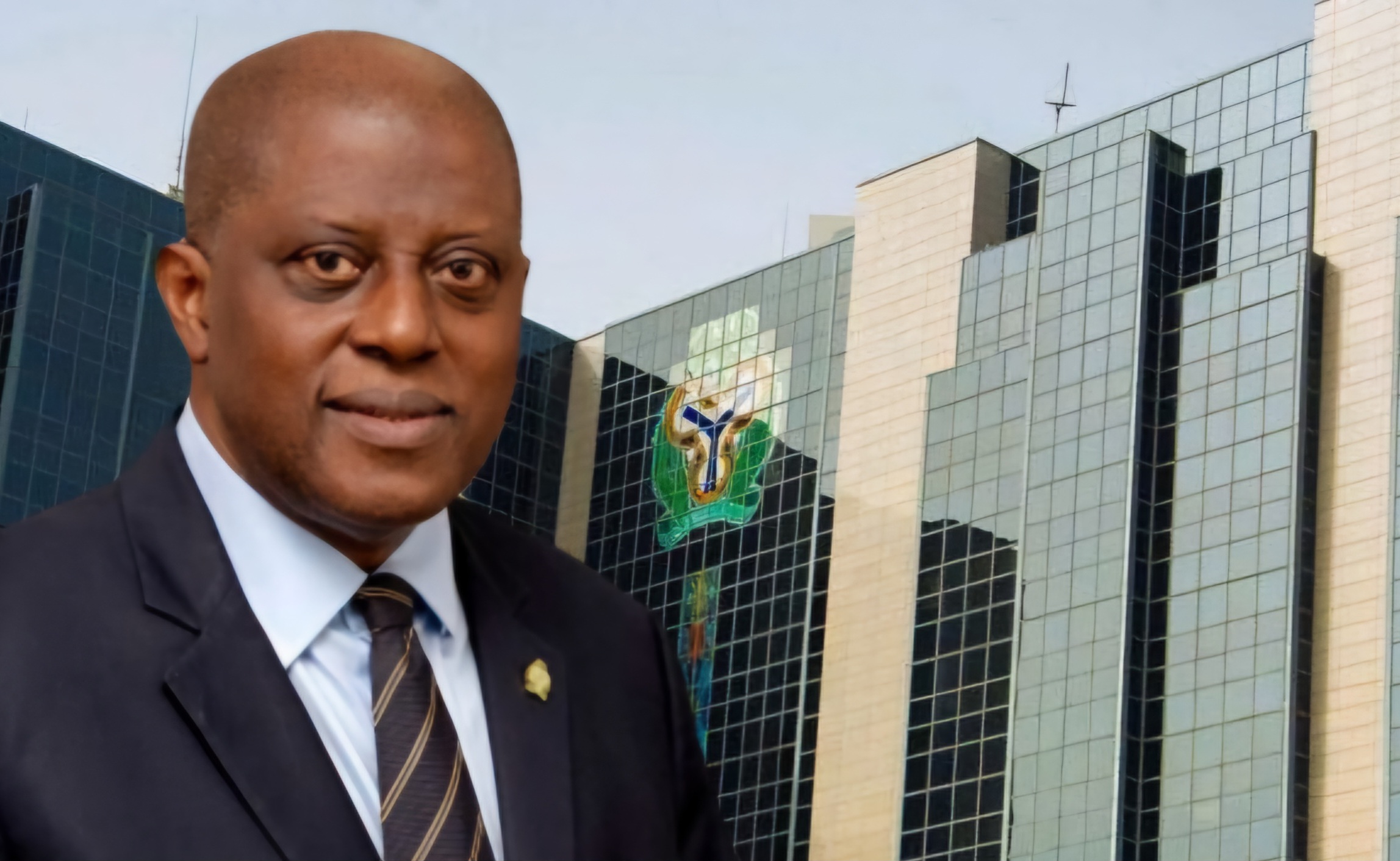
A good Friday can be recognized from Wednesday, goes a popular Hausa saying. Just a month and half into the year, Nigeria has been steadily recording significant macroeconomic gains, largely attributed to the Central Bank of Nigeria’s (CBN) aggressive monetary tightening and structural reforms.
Even before the year 2025 ended, there were several projections, one of which was that the economy will grow by 4.49% in 2026 based on identified variables. This momentum is not without impetus. It is largely driven by non-oil sectors, including services (54.5 PMI) and agriculture (54.2 PMI), following 14 consecutive months of private sector expansion as of January 2026.


There is also the issue of headline inflation, which has moderated significantly, falling from over 24% in early 2024 to approximately 14.5% by November 2025. Indeed,
Nigeria’s headline inflation has effectively entered a significant easing phase as of early 2026, as data from the National Bureau of Statistics (NBS) shows. While headline inflation dropped sharply to 15.15% in December 2025, down from a revised 17.33% in November, food inflation eased to 10.84% in December, aided by the harvest season and lower prices for staples like tomatoes and garri.
Even core inflation moderated to 18.63%, reflecting a steady decline from the peaks seen in late 2024. The CBN estimates its tight policy stance alone accounted for about 10 percentage points of this decline.
The story is the same for Nigeria’s external reserves, which reached a significant milestone in late 2025, closing the year at approximately $45.5 billion, the highest level since August 2018. This positive, upward trajectory has continued into early 2026, with reserves crossing the $46 billion mark as of late January. This gives more than a credence for the CBN official projection that the nation’s foreign reserves will climb to $51.04 billion by the end of 2026. Several key economic factors support this.
Since the abolition of the fraudulent multiple exchange rate windows, and the subsequent introduction of the single “willing buyer, willing seller” model, the apex bank successfully eliminated arbitrage, which allowed some people close to those in power to make humongous amount of money for doing nothing. The elimination of the gap between official and black-market rates improved price discovery, just as the Electronic Foreign Exchange Matching System (EFEMS) enhanced transparency and reduced human interference in currency trading.
Another critical move that helped in restoring the trust of international investors and enabling businesses to repatriate funds more easily is the successful clearance of the verified $7 billion foreign exchange backlog.
The banking sector is also being fortified. With the March 31, 2026, deadline for the banking sector recapitalisation approaching, the CBN has successfully steered more than 20 commercial and merchant banks to meet new, rigorous capital thresholds.By mid February 2026, nine major banks have successfully raised over N2.3 trillion in fresh capital. The recapitalisation exercise, when completed, will make Nigerian banks more resilient and strong enough to support the country’s $1 trillion economy target.
These measures have combined to positively impact Nigeria’s balance of payments (BOP), which reached an overall surplus of $4.60 billion in Q3 2025, a significant recovery from the deficit recorded in Q2 2025, thanks to the improved financial account performance and a substantial increase in external reserves. The CBN projects the current account surplus to strengthen further, reaching an estimated $18.81 billion (11.16% of GDP) by 2026. This however depends on other critical variables, such as stable oil prices in the international market.
So when all is said and done, it will be apparent that the CBN started the year 2026 on a good stead, just as it ended the year 2025 on a cheerful note. Under the leadership of Governor Olayemi Cardoso, the apex bank has continued to engineer macroeconomic stabilisation, through a dramatic reduction in inflation, foreign exchange stability, banking sector fortification and regulatory enforcement.
- Nasir writes from Abuja

