
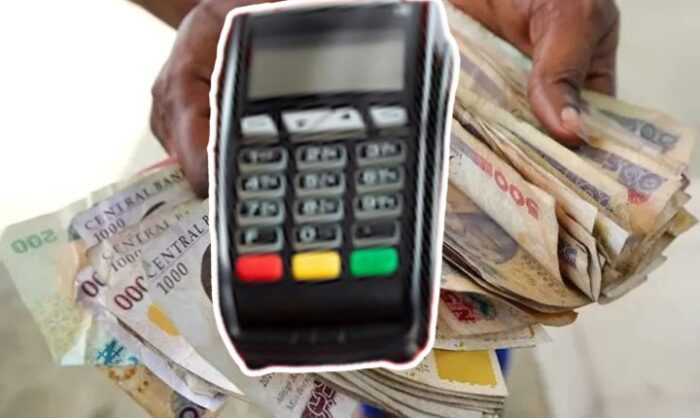
In a move to curb rising cases of online financial fraud and strengthen oversight of digital payment platforms, the Central Bank of Nigeria (CBN) recently ordered all Point of Sale (PoS) terminals in the country to be geo-tagged within 60 days. In a statement dated August 26, 2025, the apex bank described the move as part of a broader plan to modernise Nigeria’s payment system, improve consumer protection, and ensure digital financial transactions are secure and fully traceable.
While warning that non-compliant terminals will not be allowed to operate from the deadline date of October 20, 2025, the CBN informed that the newly deployed PoS will come with native geolocation features and double-frequency GPS receivers for accurate tracking.


But, to start with, what is geo-tagging? A simple Google search will reveal that “Geotagging is the process of attaching physical location data, such as GPS coordinates (latitude and longitude), to digital content like photos, videos, social media posts, or websites. This geographic metadata is often stored automatically in the content’s metadata, allowing users to see or search for content based on where it was created or shared.”
Here are five ways POS geotagging will protect depositors and even POS agent thenselves:
1. Curbing fraudulent and criminal activities
Geotagging provides a powerful tool for combating various financial crimes that often exploit POS terminals.It helps eliminate cloned or “ghost” terminals used by fraudsters to steal account information, just as it will make it harder for criminals, including kidnappers or rogue security officers, to use POS agents to launder stolen funds or collect ransoms, as every transaction is tied to a specific and easily traceable location.
2. Real-time transaction monitoring
Geotagging will enable banks and regulators to monitor transactions in real time, dramatically improving fraud detection. This way, any transaction initiated outside the 10-meter geofenced radius of a terminal’s registered address is automatically flagged for review. So, financial institutions can use this data to instantly detect suspicious activity, such as a terminal suddenly being used far from its registered location.
3. Location fencing
By restricting a POS terminal’s operational area to a small, registered location, geotagging reduces the risk of the device being used for unauthorized purposes. The policy will effectively put an end to the practice of unregistered or roaming POS agents, who are often untraceable and a high-risk channel for fraud. But through location fencing, POS operators who fail to comply with the 10-meter restriction will have their devices flagged or deactivated, holding them accountable for their terminal’s usage.
4. Indisputable evidence for dispute resolution
In caees or instances where or when a customer disputes a transaction, geotagging will provide definitive, tamper-proof data to aid in investigations. The GPS coordinates embedded in a transaction record can serve as irrefutable evidence of where and when a payment occurred, helping banks resolve disputes faster and with greater accuracy. This will, in turn, builds customer trust and confidence in the POS payment system, as they know their bank has the tools to protect their funds.
5. Financial system oversight
The actionable data from geotagged transactions provide regulators like the CBN with greater ability ti plat their oversight functuins over the entire POS payment system. The apex bank can effectively enforce its regulations and ensure all operators are playing by the rules, leading to a more secure and reliable payment ecosystem for everyone. The data will also help regulators in identifying areas with limited payment access and better direct financial inclusion efforts.

