
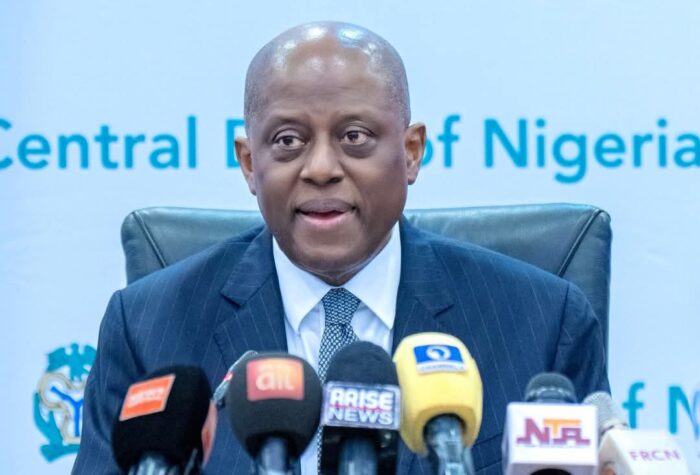
The Central Bank of Nigeria (CBN), under Dr Olayemi Cardoso, has been actively implementing policies aimed at controlling inflation and stabilizing the economy, with resounding success. Through its regular Monetary Policy Committee (MPC) meetings, the apex bank has maintained its rates to fight this economic menace, even as experts predict reductions going by recent developments.
With a sustained decline in inflation over the past three months, as captured by the National Bureau of Statistics (NBS), this is sure to materialise, but the CBN management must continue to put in the work to achieve the desired result.


It would be recalled that during his confirmation hearing as CBN governor, Mr Cardoso had informed the senators that “We need to address the issue of corporate governance. We need to refocus CBN back to its core functions and address inflation, gain access to foreign exchange rates and this requires an independent review. What is important to all of us is economic growth”
The apex bank utilizes monetary policy adjustments, such as the Monetary Policy Rate (MPR,) to manage lending rates and control the money supply, having previously raised rates to combat inflation and stabilize the Naira. The central bank is also focused on stabilizing the foreign exchange market by increasing capital inflows and liquidity to support disinflation.
Strengthening the banking sector through new minimum capital requirements is another strategy aimed at building resilience and supporting economic growth. Improved food supply from better harvests and reduced insecurity in food-producing areas, along with government fiscal measures like zero import duty and VAT exemptions on certain food items, have helped ease inflation.
The expansion of local refining capacity is expected to reduce the impact of exchange rate fluctuations on energy prices. The CBN is also planning to move towards an inflation-targeting framework and emphasizes the importance of coordinating with fiscal authorities to manage disinflation.
Indeed, experts have predicted that inflation is expected to drop further in the coming months, as the CBN continues to sustain investor confidence by holding its benchmark interest rate steady.
Despite progress, however, challenges remain. Some analysts view the recent rate cut as potentially premature, risking a resurgence of inflationary pressures. Structural issues like poverty, food insecurity, limited credit for small businesses, and high living costs persist. External factors such as oil price volatility, disruptions to food imports, and global interest rate changes also pose risks.
Additionally, potential increases in government spending and liquidity from federal allocations could counteract recent policy effects. Inflation in Nigeria is heavily influenced by supply-side factors, including import dependence, Naira depreciation, and the removal of fuel and electricity subsidies. But the good news is that the Naira has been making steady gains against the dollar, fairly consistently of recent
With the CBN implementing a disciplined monetary policy approach to restore confidence and achieve price stability, even as it navigates complex domestic and international challenges, it is only a matter of time for the inflation rate to begin to drop, for the overall benefit of the country and its people.

